It isn’t often that you can walk from attraction to attraction in a city, but that’s exactly what I did in Fort Wayne, Indiana. Our group of travel writers explored the arts campus, a botanical conservatory, the nation’s top-rated minor league ballpark, and the nation’s largest public genealogy center all by foot in downtown Fort Wayne.
1. See the art.
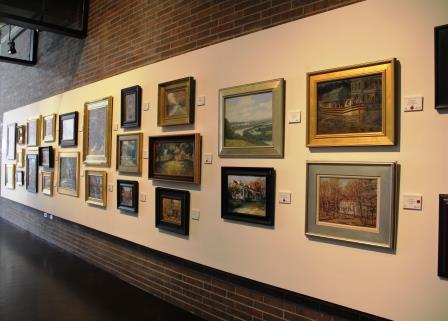
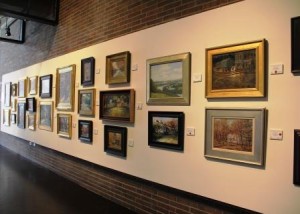
The contemporary Fort Wayne Museum of Art features exhibits from their own collection, as well as temporary exhibitions. Following a $7 million expansion a few years ago, adding 10,000 square feet, the museum can now showcase up to nine exhibits at a time. Our guide, Amanda, pointed out that her “favorite visitor is the person who thinks they don’t like or can’t benefit from art.” These are the people who change their tune after exploring the museum.
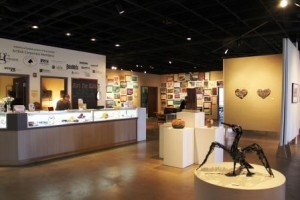
 Browse the gift shop before you leave. Museum gift shops are a great place to find unique items.

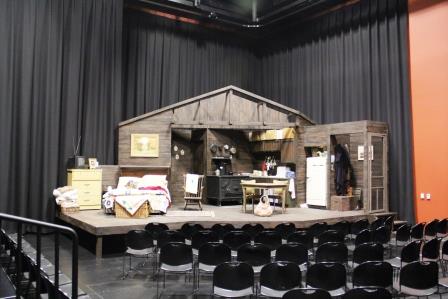
Across the street, the Auer Center for Arts & Culture is home to Artlink, where local artists showcase their work in two galleries, the local ballet has taken up residence, and a black box theater venue is available for community performing arts groups.

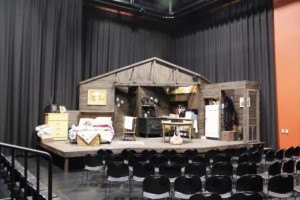
Also on the arts campus, the Arts United Center is venue to the Fort Wayne Philharmonic, Fort Wayne Ballet and other performing arts groups.
2. See a show in a magnificent historic theater.
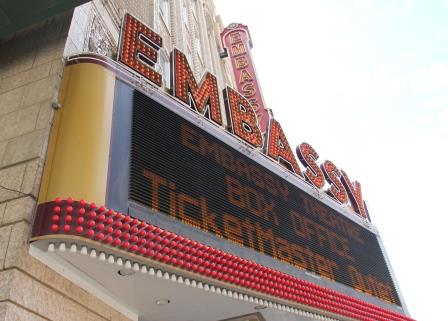
Bob Hope’s first emcee job was at the Emboyd Theatre. Built in 1928 to host Vaudeville shows and silent movies, the theater was saved from the wrecking ball in the mid-1970s within three day of razing, restored to its former magnificence, and renamed the Embassy Theatre.


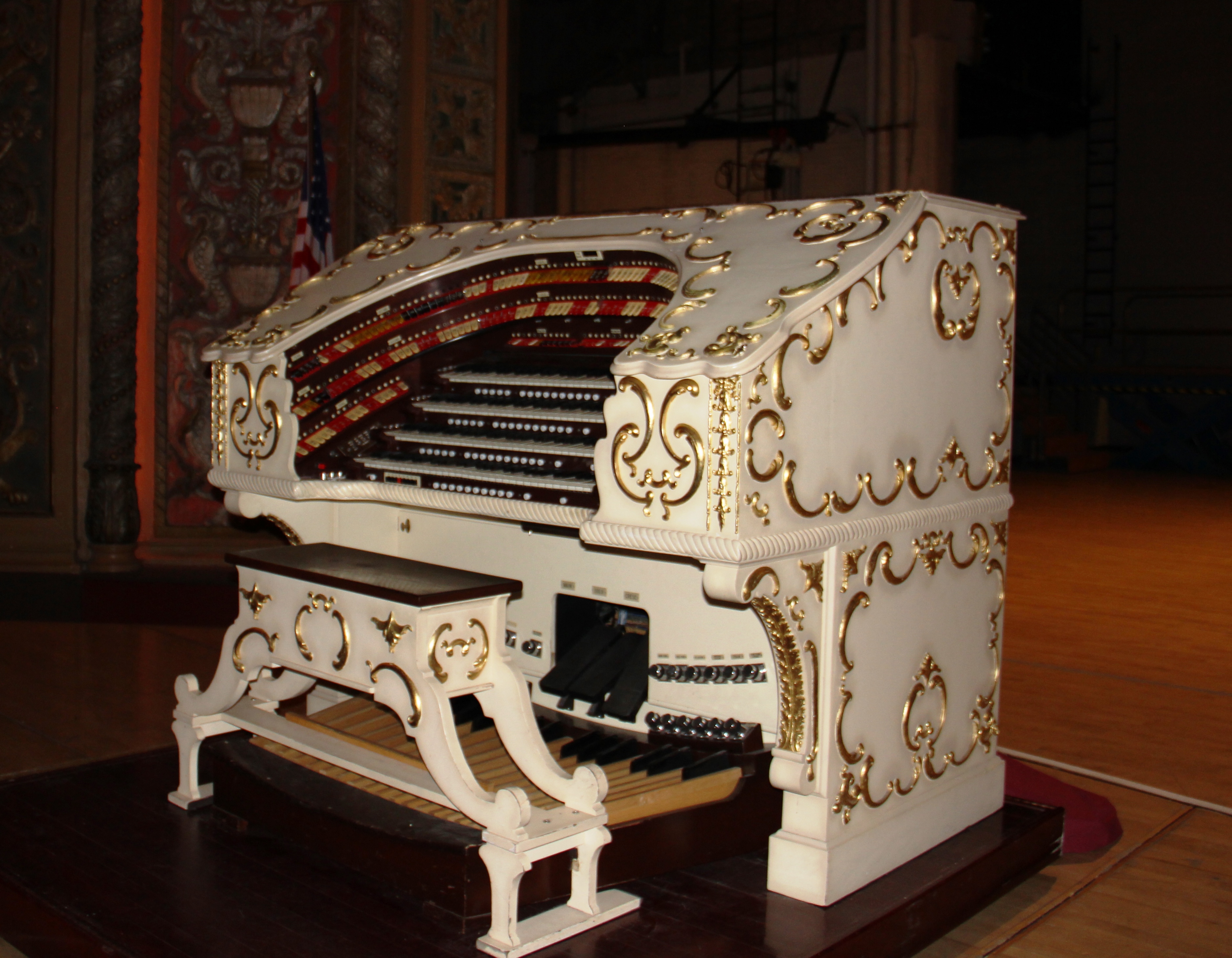
The restored Grande Page Pipe Organ on the stage, used as the sound track for silent movies, is one of only four in the world.
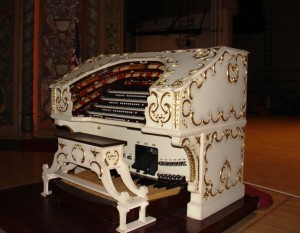 Today the Embassy Theatre features plays from Broadway and big-name concerts, as well as community events like the Festival of Trees. Around Halloween you can take a haunted tour and learn about Bud Berger, the resident ghost.
3. Enjoy the tropics year-round.
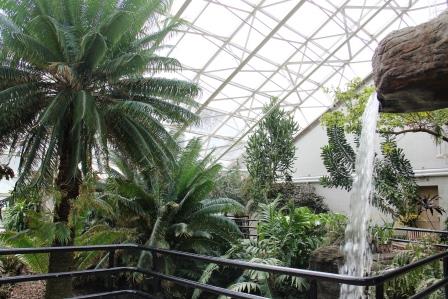
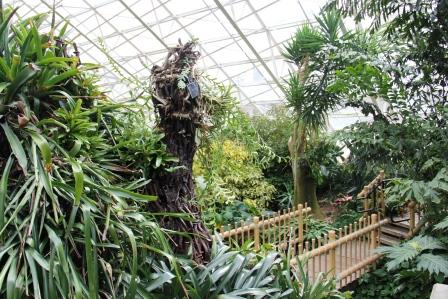
A talking tree greets you in the family-friendly Foelinger-Freimann Botanical Conservatory, where kids can explore exhibits created especially for them.
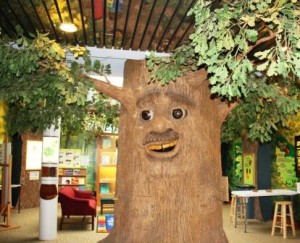
As for adults, the rush of a waterfall and green ferns and palm trees make you feel like you are in a Caribbean island paradise as you stroll through the Tropical Garden.
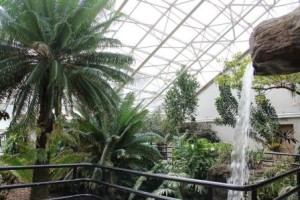
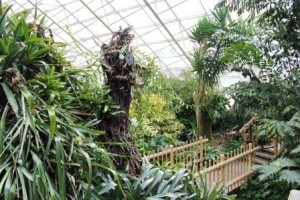
The cacti in the Desert Garden take you to the greens and browns of the southwest, while the colorful flowers in the Showcase Garden, which changes seasonally, puts you in the mood for whatever the season may be.


4. Take me out to the ballgame.
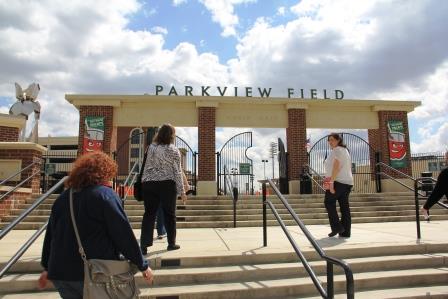
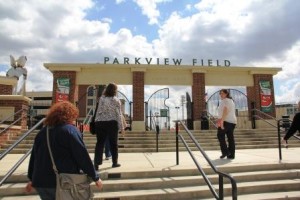
Parkview Field, home to San Diego Padres minor league affiliate TinCaps, was rated the top minor league ballpark experience in the country two years in a row by Stadium Journey magazine. Unfortunately, the TinCaps (named for Johnny Appleseed who wore a tin pot on his head and is buried in Fort Wayne) weren’t playing while I was in town, so I didn’t get to experience a game or the delicious food they are said to serve. Since the ballpark is city owned and considered a park, it’s open every day, whether there is a game scheduled or not, so you can at least stop to see and walk around the park. I definitely want to make a return trip to see a ballgame.

5. Find your ancestors.
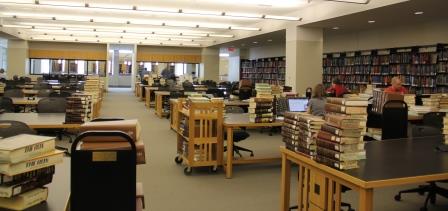
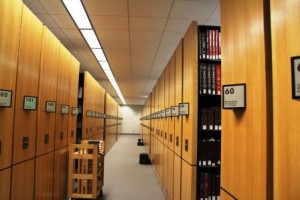
The 42,000 square foot Genealogy Center in the Allen County Public Library, second in size only to Salt Lake City, and with the largest hands-on research area, contains over a million items in the library, including 70,000 compiled family histories, 73,000 city directories, and 10,000 rolls of microfilmed records from the mid-19th century to the mid-20th century. If you are interested in tracing your family tree, this is the place to come. You can access free databases on the genealogy center’s web site, but for databases that you normally have to pay for, you must visit the genealogy center to gain free access. If you visit, you also can seek the assistance of the staff, whose combined research experience equals 210 years, and you can download information directly to your computer, tablet, or thumb drive.

Trivia fact: The #1 piece of family lore is that an ancestor was an Cherokee princess.
Plan to spend at least an hour if you have surnames and geography. To do extensive history, plan to stay a full day.
There is plenty more to do downtown that we didn’t have time to visit, like the Firefighters Museum and the Cathedral Museum, as well as a plethora of restaurants and nightlife spots. The places that we did visit, we just touched since our time was limited. You can plan an entire day or even a full weekend in downtown Fort Wayne.


If you stay downtown, you won’t even have to move your car until it’s time to leave. We stayed at the Hilton Fort Wayne at the Grand Wayne Center, and as with all of my Hilton experiences, had a great stay.
For more information on Fort Wayne, go to the Visit Fort Wayne web site.
Disclosure: My visit to Fort Wayne was hosted by the Visit Fort Wayne and, but any opinions expressed in this post are strictly those of the author.
Thank you for reading Midwest Wanderer. If you enjoyed this post and would like an e-mail notification when other posts are published, enter your e-mail address below and click Subscribe. Be sure to click the link when you get the e-mail asking you to confirm.