Special Treats a Tradition at Lou Mitchell’s, Chicago

Special Treats a Tradition at Lou Mitchell’s, Chicago

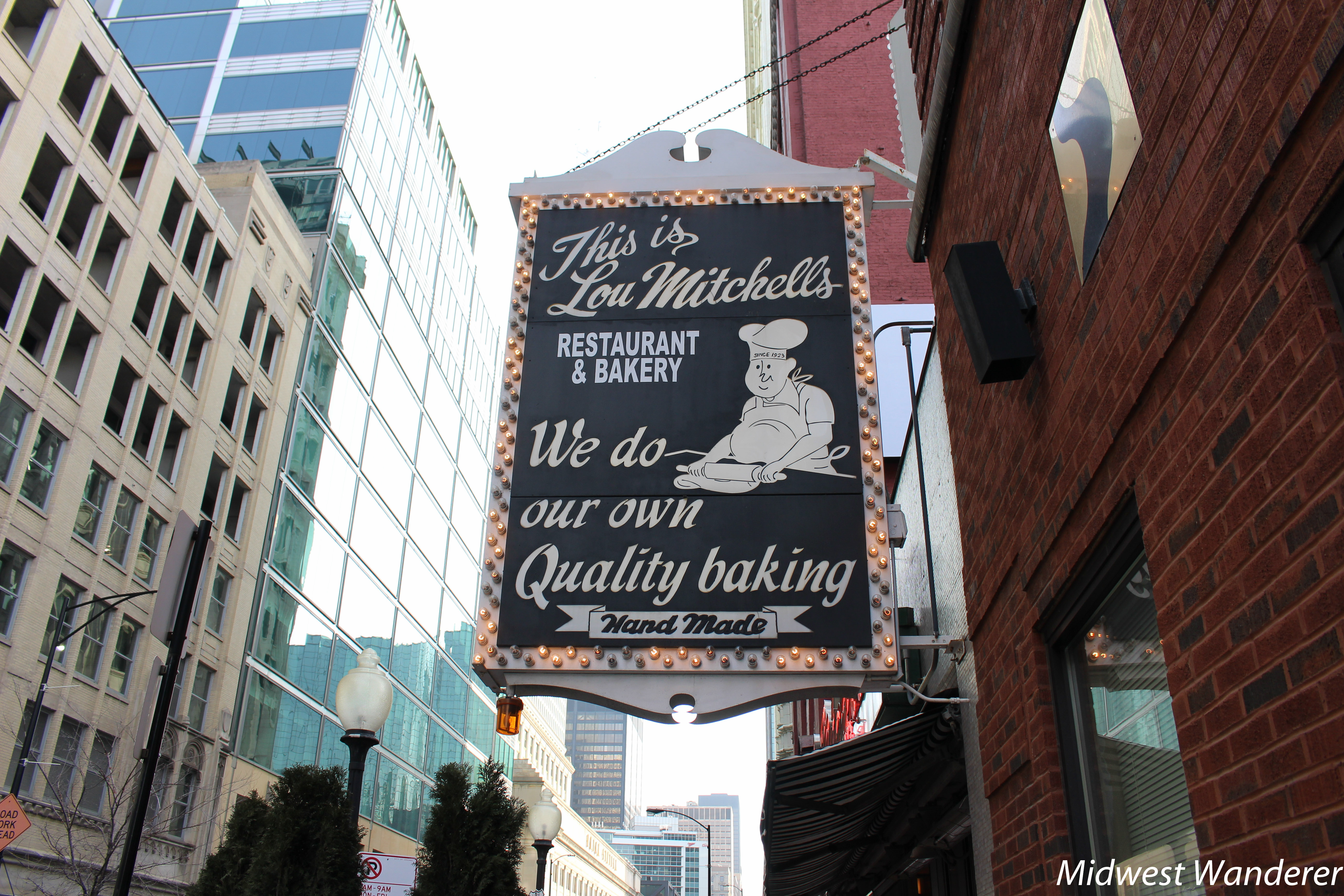
150131_Lou_Mitchell-3915Sometimes it’s the little extras that make a place memorable. Lou Mitchell’s is memorable for several reasons. As you begin Route 66 from the eastern terminus in Chicago, it’s the first diner you reach that has been around since before the route was commissioned. Foods that other restaurants prepare from mixes or purchase ready-made, Lou Mitchell’s makes from scratch. However, the special sweet treats are what most people best remember.

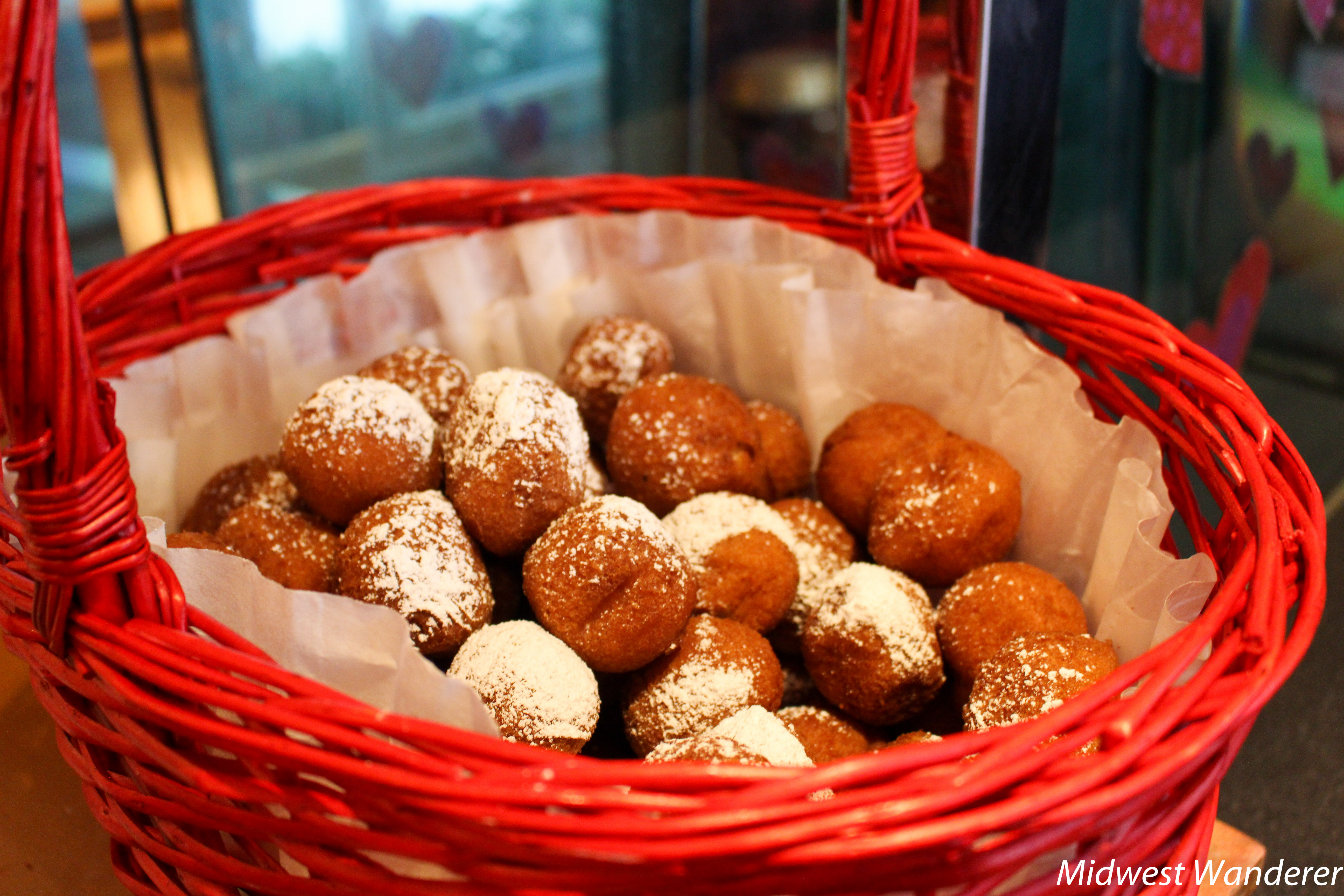
150131_Lou_Mitchell-3901In the Greek tradition of offering a sweet treat as a welcome greeting, you are offered a donut hole as you are seated.
150131_Lou_Mitchell-3900All women and children receive a snack-size box of Milk Duds, as well.
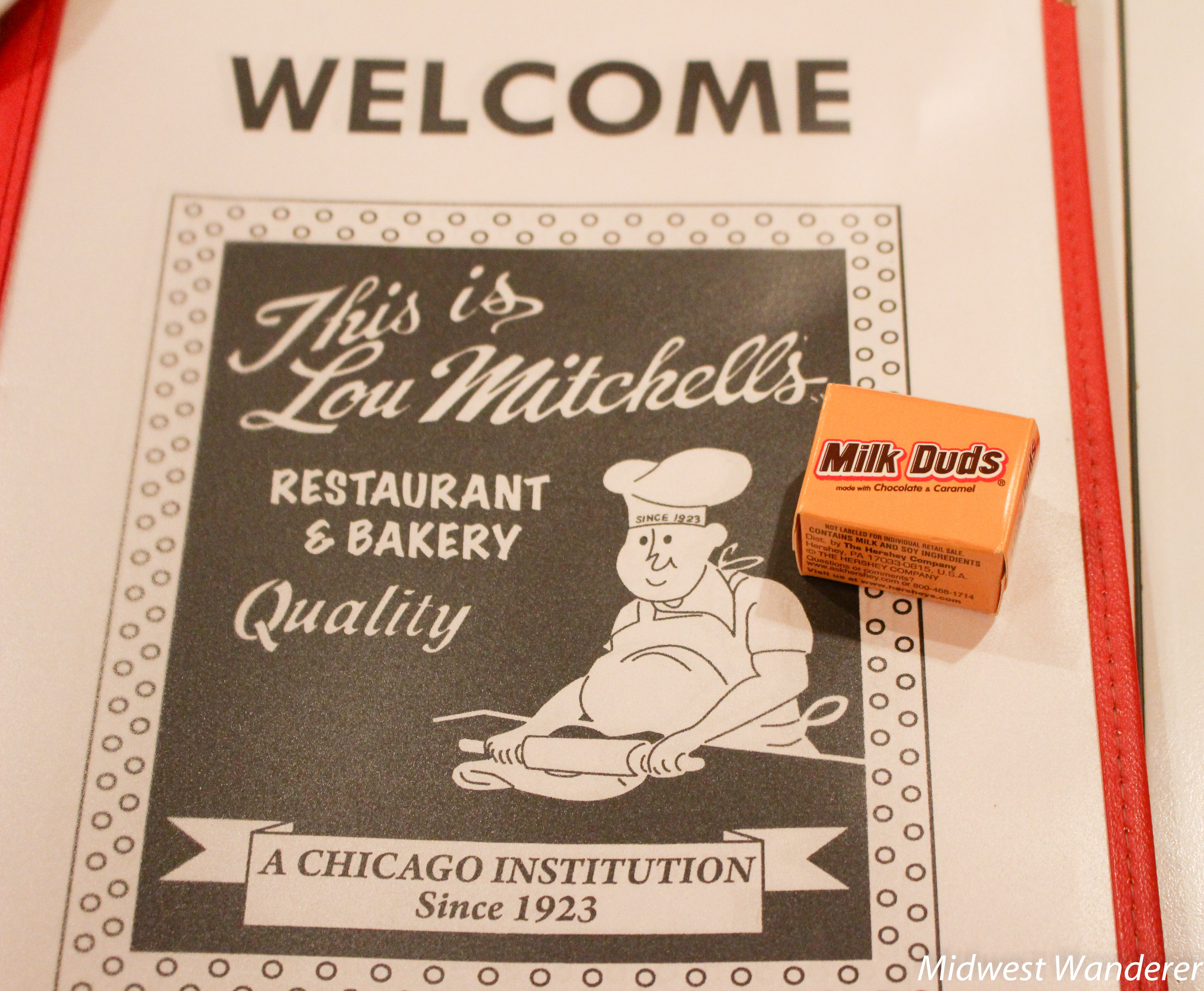
150131_Lou_Mitchell-3896Milk Duds were originally made in Chicago. The candy company owner was a personal friend of Lou Mitchell and a regular restaurant patron. “Uncle Lou” started the tradition of giving all women and children a box of the candies, and both the donut hole and Milk Duds traditions have stuck.

Don’t miss a Midwest Wanderer post.  For a FREE subscription, enter your e-mail address in the Subscribe2 box to the left and click Subscribe.

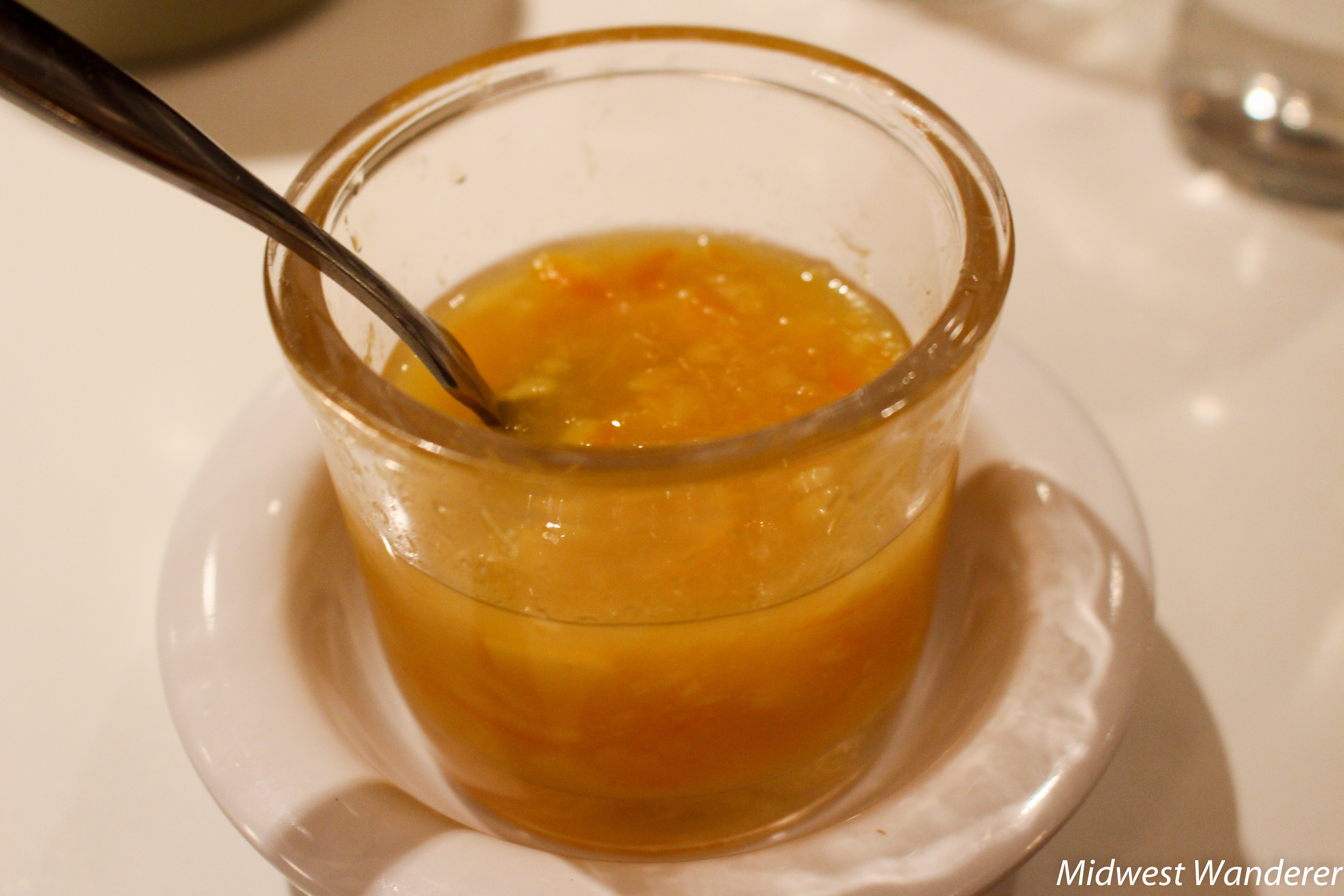
Lou Mitchell’s doesn’t take short cuts with the food preparation. Their orange and grapefruit juices are both freshly squeezed, and vats of freshly made orange marmalade are on the table.
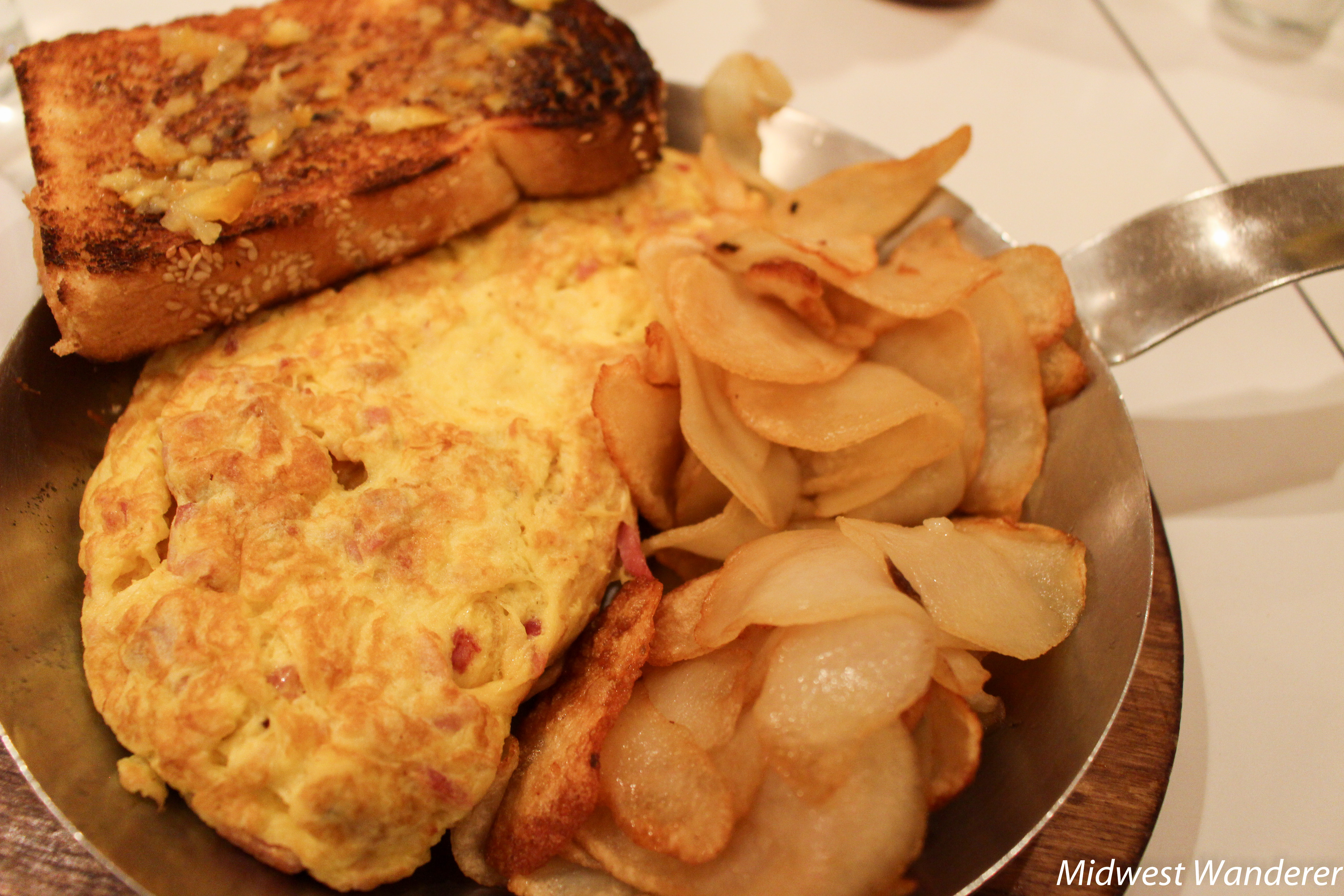
150131_Lou_Mitchell-3898I ordered a ham and cheese omelet, and Skip ordered eggs Benedict. Both came with hash browns that were really American fries sliced remarkably thin. If fried just a little more, they’d be potato chips. My omelet was so large I could only eat half of it.
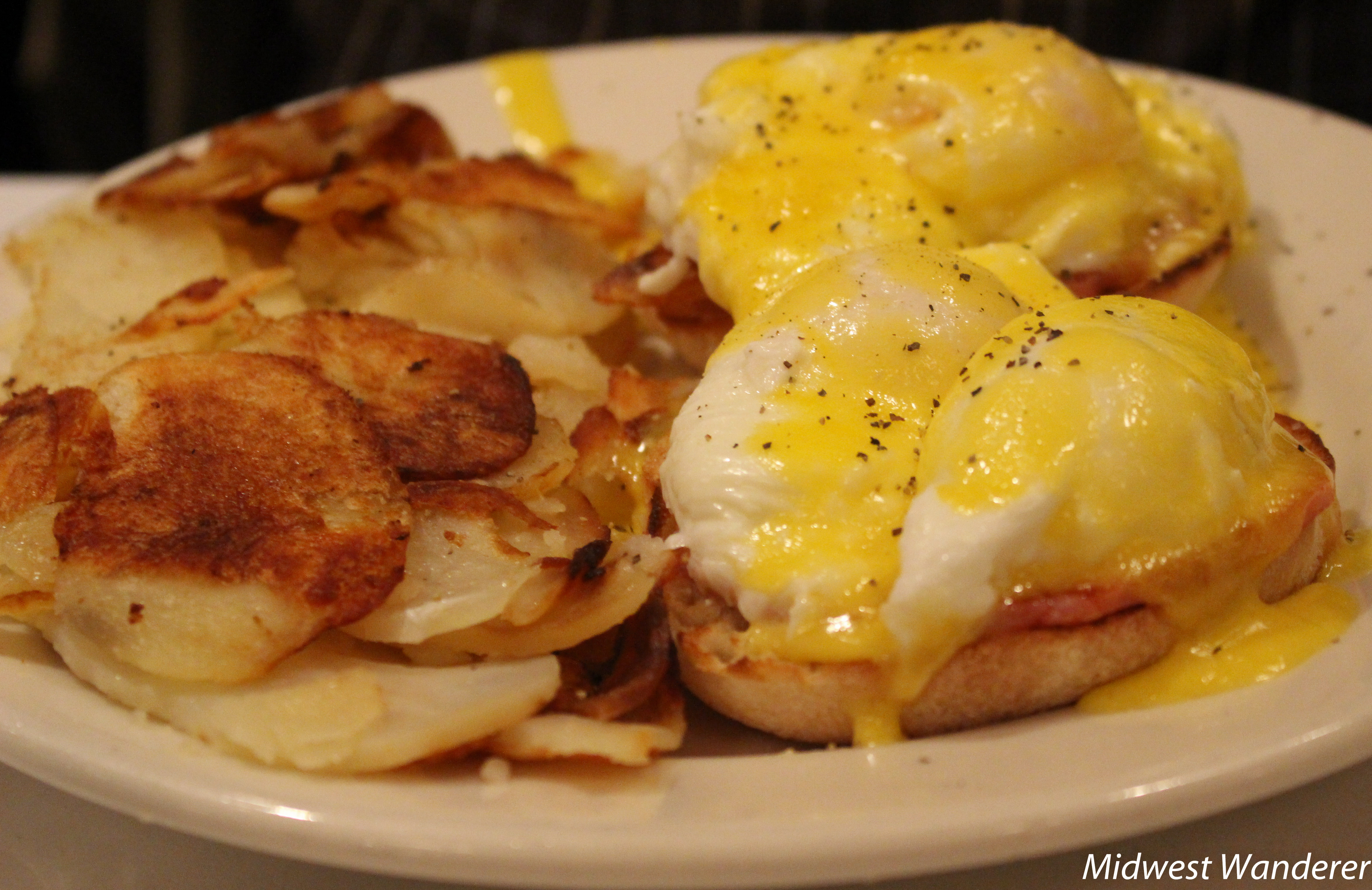
150131_Lou_Mitchell-3906Skip claims his eggs Benedict was the best he’d ever tasted. It’s not surprising, since the hollandaise sauce is made fresh every morning from scratch.
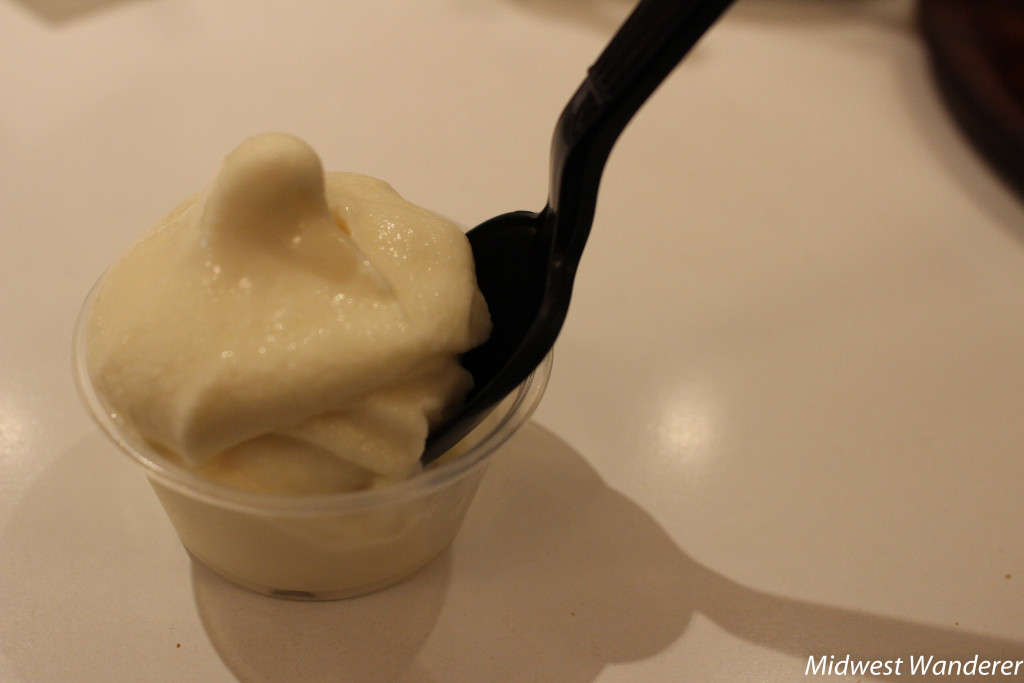
150131_Lou_Mitchell-3903I knew about the donut hole and Milk Duds traditions before we visited the restaurant. We were surprised, though, with the treat at the end of the meal: a tiny cup of ice cream. Yep, ice cream for dessert even after breakfast.
150131_Lou_Mitchell-3910Lou Mitchell’s, located at 565 W Jackson Boulevard in Chicago, has been in business since 1923. They’re open every day for breakfast and lunch except the seven major holidays. Check the web site for the hours and menu.

Thank you for reading Midwest Wanderer. Don’t miss a post. Enter your e-mail address below and click Subscribe to be notified whenever I publish another post. Subscription is FREE. After subscribing, be sure to click the link when you get the e-mail asking you to confirm.   – Connie


Other articles that may interest you:

Have you been to Chicago’s Field Museum Lately?

Isle a la Cache Museum: Discover the Fur Trade on the Island of the Hiding Place
Dell Rhea’s Chicken Basket: A Route 66 Icon

A Nostalgic Stay at the Route 66 Rail Haven Motel in Springfield, Missouri

A Nostalgic Stay at the Route 66 Rail Haven Motel in Springfield, Missouri

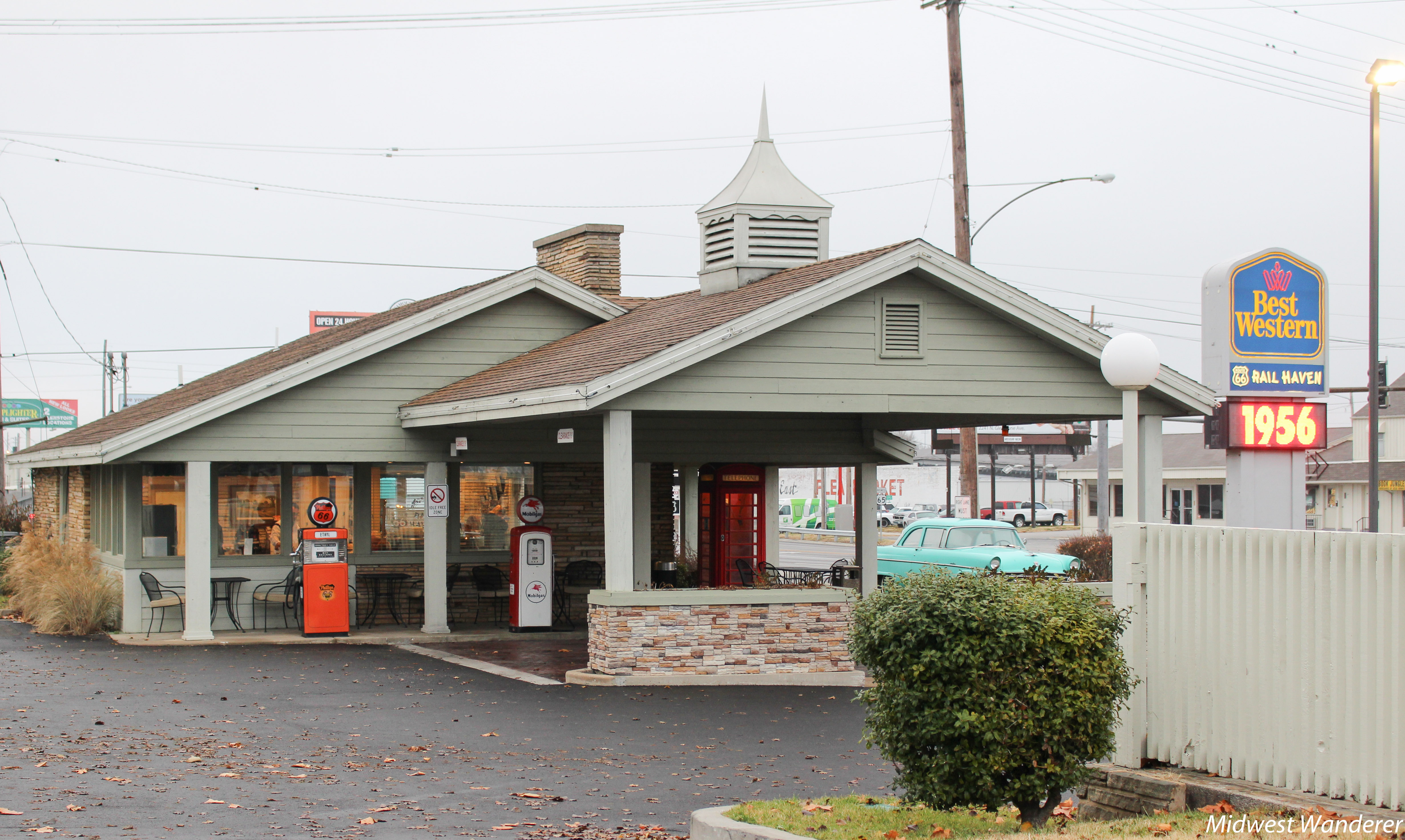
It was 1938, the heyday of The Mother Road, when brothers Elwyn and Lawrence Lippman built eight sandstone cottages on their grandfather’s apple orchard along Route 66 in Springfield, Missouri, and accented the property with a rail fence. By 1946 the motel had grown to 28 rooms.  In the early 1950s it became part of the newly formed Best Western chain of motels. The property went through many upgrades from the mid-1950s to the early 1970s, including changing from cottages to a strip motel. However, by the early 1990s, the Rail Haven had started to slip. Read more

Mount Rushmore at Sunrise: A Spectacular Show

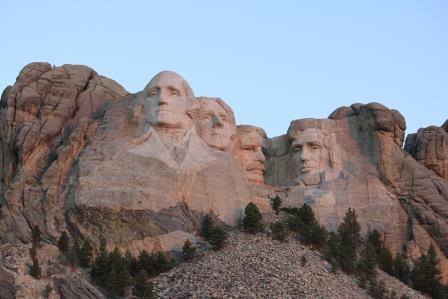
I finally made it to Mount Rushmore. For 40 years I’d wanted to see the likenesses of George Washington, Thomas Jefferson, Abraham Lincoln and Theodore Roosevelt carved into the mountain’s granite, or “the heads,” as my daughter referred to them. For one reason and then another, I never made it there until last fall. It was well worth the wait, and getting up before dawn to see the sunrise was a small price to pay for the spectacular show our presidents put on for us.

Don’t miss a Midwest Wanderer post.  For a FREE subscription, enter your e-mail address in the Subscribe2 box to the left and click Subscribe.

Our group arrived at dawn, just as the skies were beginning to lighten from black to gray, a late September chill in the air. Only a few others besides our group were there that early, before the rush of tourists, allowing us to position ourselves for the best photo shots of the monument.

Mt Rushmore 2

As the sun began to come up, the stone took on a peach cast against the powder blue sky.

Mt Rushmore 3

The coloring became more vibrant as the sun peeked higher above the horizon …

Mt Rushmore 4

… until the mountain was seemingly on fire and the sky a bright azure.

Mt Rushmore 5

As the sun rose higher, the faces softened.

Mt Rushmore 6

Mt Rushmore 7

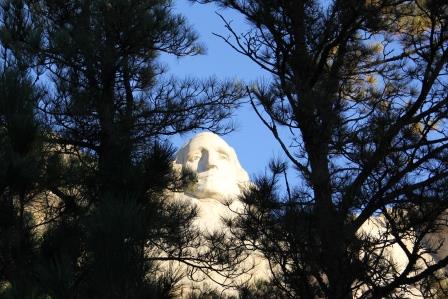
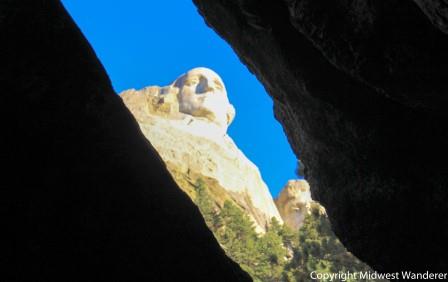
With the breathtaking sunrise over, it was time to explore a little more. The Presidential Trail allows you to get up closer to the monument and presents some great angles, including from between trees and rocks.

Mt Rushmore 11

Mt Rushmore 8

Mt Rushmore 10

Later I noticed another great view from the windows in the café.

Mt Rushmore 12

I know it isn’t every day that the sky is as blue as it was on that September morning, not a cloud in the sky. I’m just glad that after waiting over 40 years to see “the heads,” we were blessed with perfect weather and a perfect sunrise.

Mount Rushmore is located in Keystone, South Dakota, about a half hour southwest of Rapid City. Check the web site for directions, operating hours and other details.

Disclosure: My visit to Mount Rushmore was hosted by the South Dakota Department of Tourism. However, all opinions in this article are my own.

Other posts you may enjoy:

Prehistoric History Uncovered at Mammoth Site of Hot Springs, South Dakota

Exploring Native American Heritage in South Dakota

The Journey Museum, Rapid City: Black Hills History and Culture

Chapel in the Hills, Rapid City: Norwegian Serenity

Thank you for reading Midwest Wanderer. Don’t miss a post. Enter your e-mail address below and click Subscribe to be notified whenever I publish another post. Subscription is FREE. After subscribing, be sure to click the link when you get the e-mail asking you to confirm.   – Connie


Hofbräuhaus Chicago, Rosemont: Modeled after 400-Year-Old German Beer Hall

Hofbräuhaus Chicago, Rosemont: Modeled after 400-Year-Old German Beer Hall

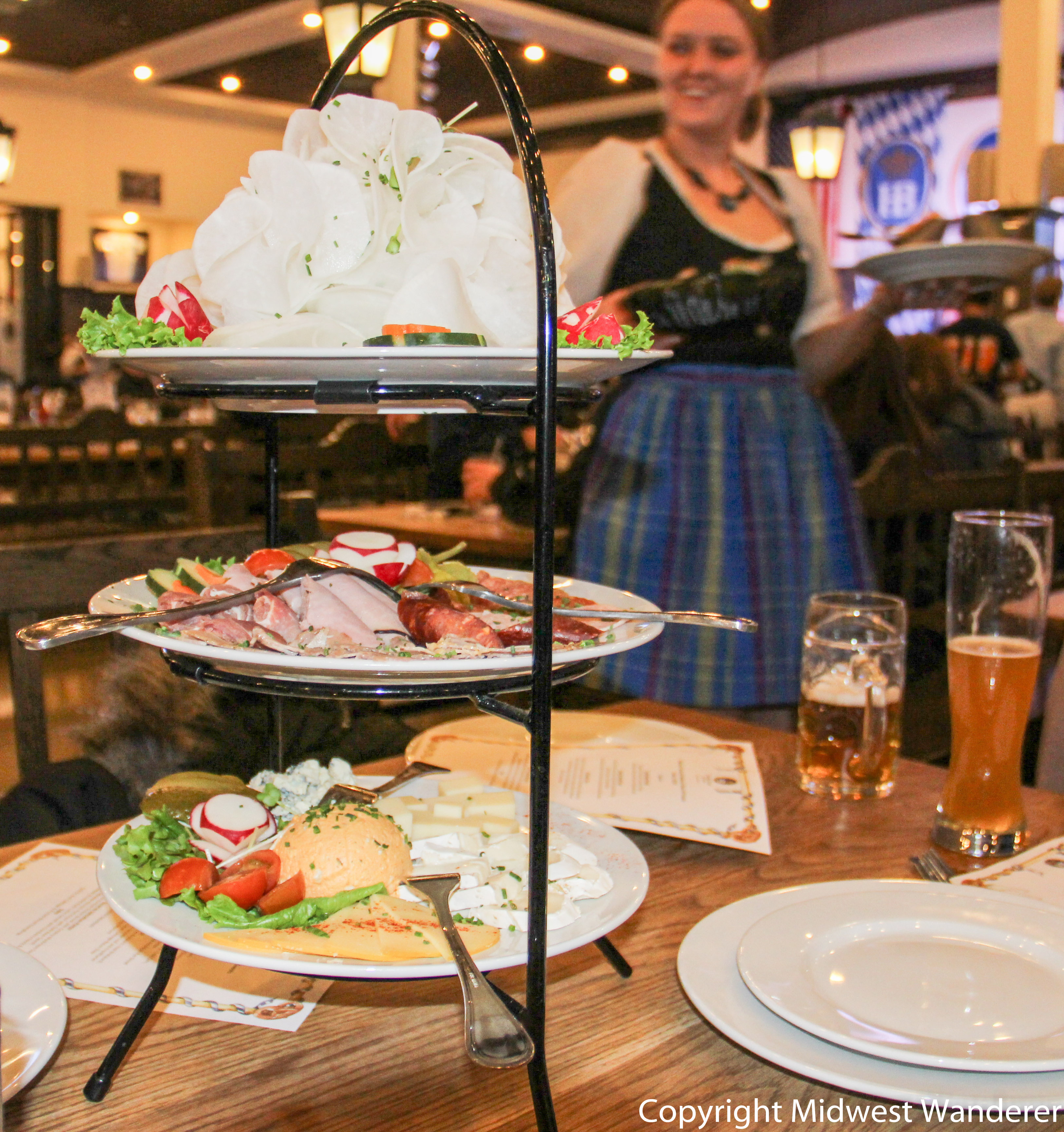
Enter the doors of the Hofbräuhaus Chicago and you’re met by the lively tunes of German music mixed with the din of conversation and laughter. Patrons seated at long wooden tables in this hall large enough to fit 550 diners raise beer mugs in toasts before partaking of drink and traditional German foods like schnitzels and sausages. Read more

Rockford Art Museum: From Sketch Club to Esteemed Gallery

Rockford Art Museum: From Sketch Club to Esteemed Gallery

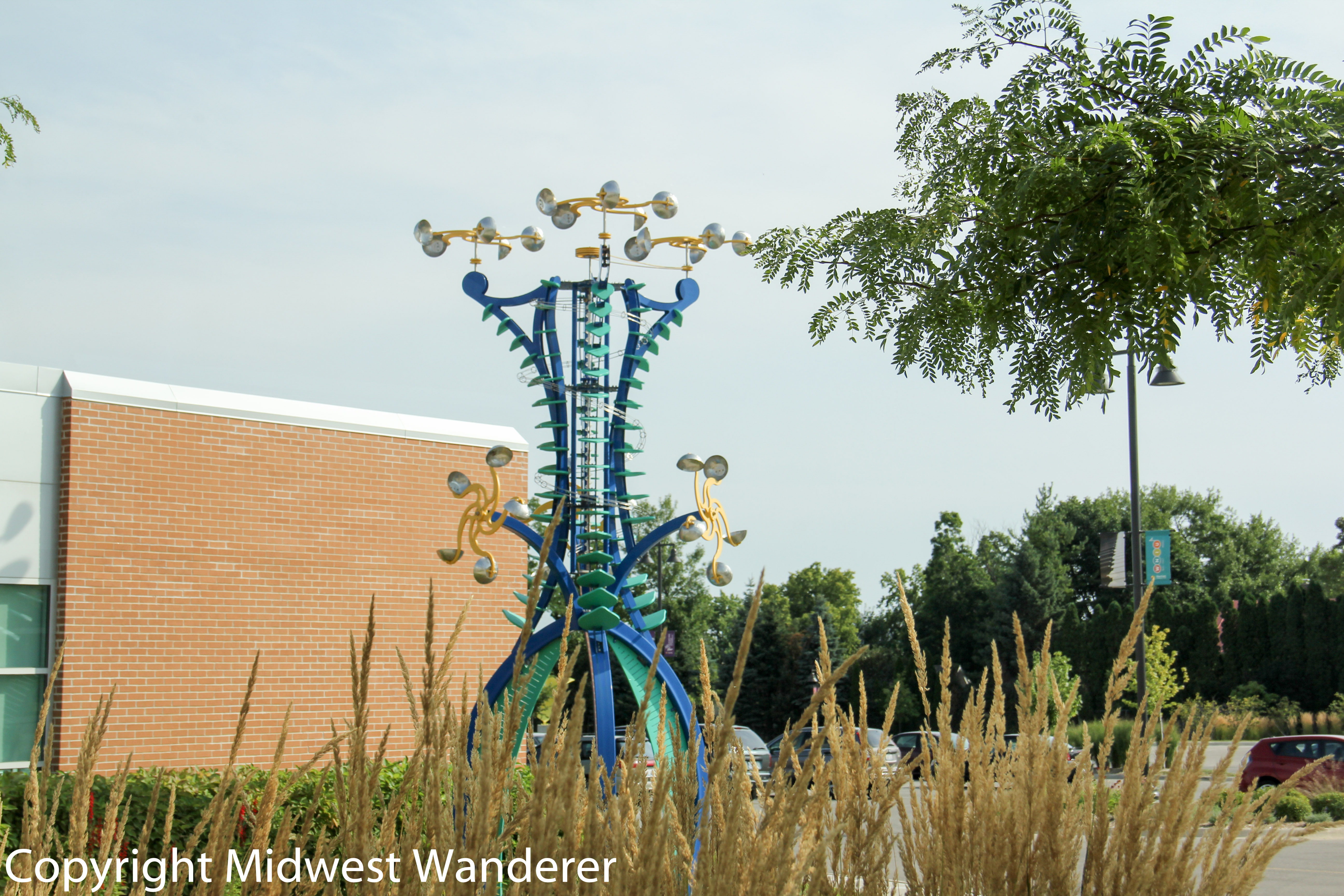
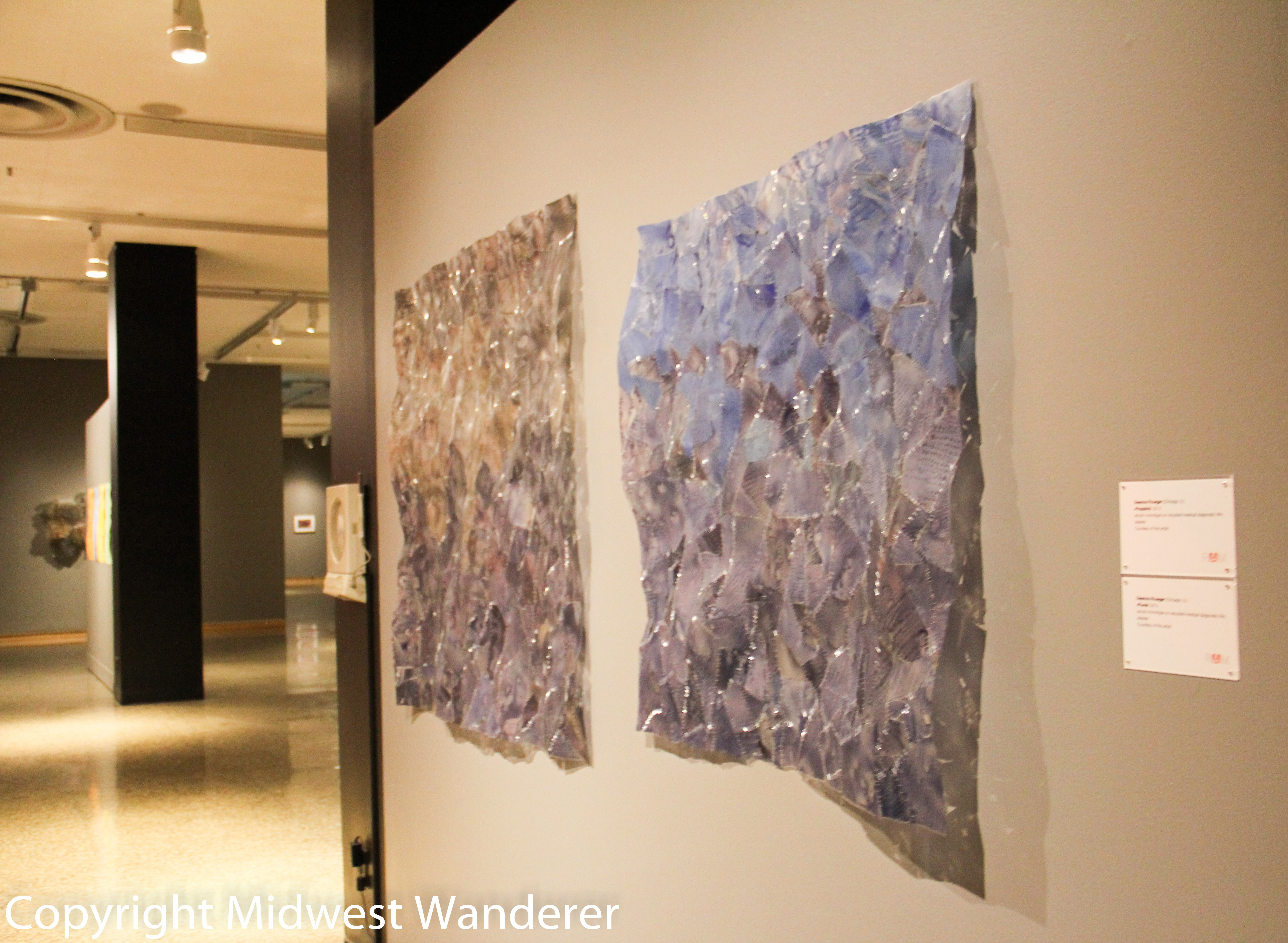
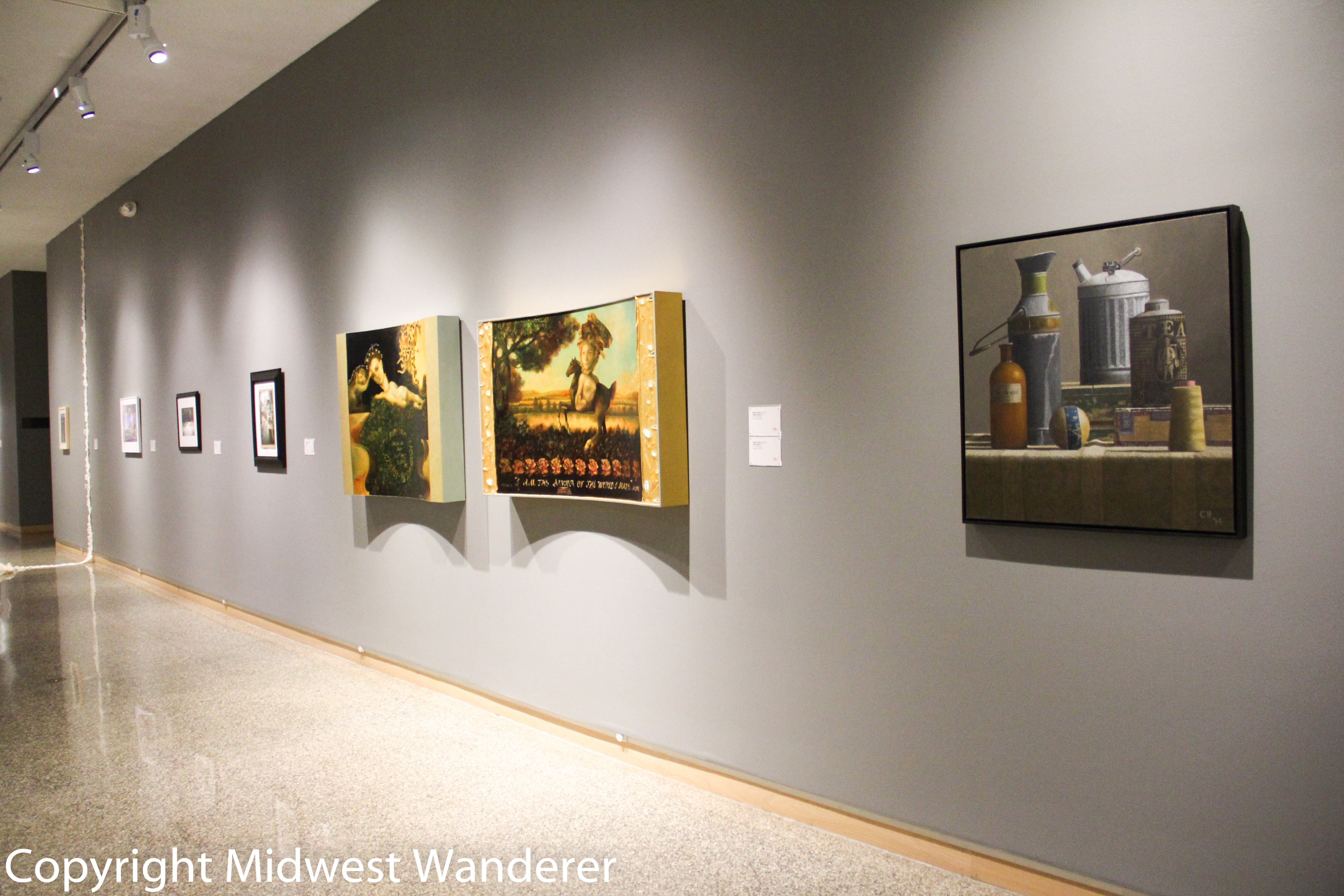
Rockford Art Museum-9677The Rockford Art Museum began as a local sketch club over a hundred years ago. Today, with 17,000 square feet of exhibition space and 1700 works of art in its permanent collection, it’s one of the largest art museums in Illinois. The museum features 19th and 20th century art. A big focus is on modern and contemporary works of art, but also includes American Masters, photography, contemporary glass and outsider art collections.

Rockford Art Museum-9674Rockford Art Museum-9673Rockford Art Museum-9672The museum’s three galleries are spread over two floors. The lower level exhibitions are from the permanent collections, including a couple of sculptures by famed Illinois artist Lorado Taft. We had seen several of Taft’s sculptures at the Krannert Art Museum at the University of Illinois, so seeing these additional sculptures was a nice tie-in.

Some of my favorite pieces, because they were really funky, were part of last summer’s Oddities and Curiosities exhibition. I was particularly fascinated by Scott Roberts’ video installation, Viola, a mirror in which you see an image of the artist’s grandmother instead of yourself when you look into it. However, it isn’t a still image; rather, you see her blink and move her eyes.

Don’t miss a Midwest Wanderer post.  For a FREE subscription, enter your e-mail address in the Subscribe2 box to the left and click Subscribe.

One of the museum’s prized collections was a donation from Francis and June Spiezer, that includes pieces from Chicago artists, many considered to be the most important in the art world.

The main floor of the museum is designated for temporary exhibitions that change three times a year. Our visit happened to fall during the Rockford Midwestern Biennial. Every other year artists from across the Midwest submit pieces to this juried show, the jurors brought in from the outside. All pieces submitted are required to have been created within two years prior to the show. Besides monetary awards, one piece is awarded the Dean Alan Olson Purchase Award. That piece goes into the Rockford Art Museum’s permanent collection.

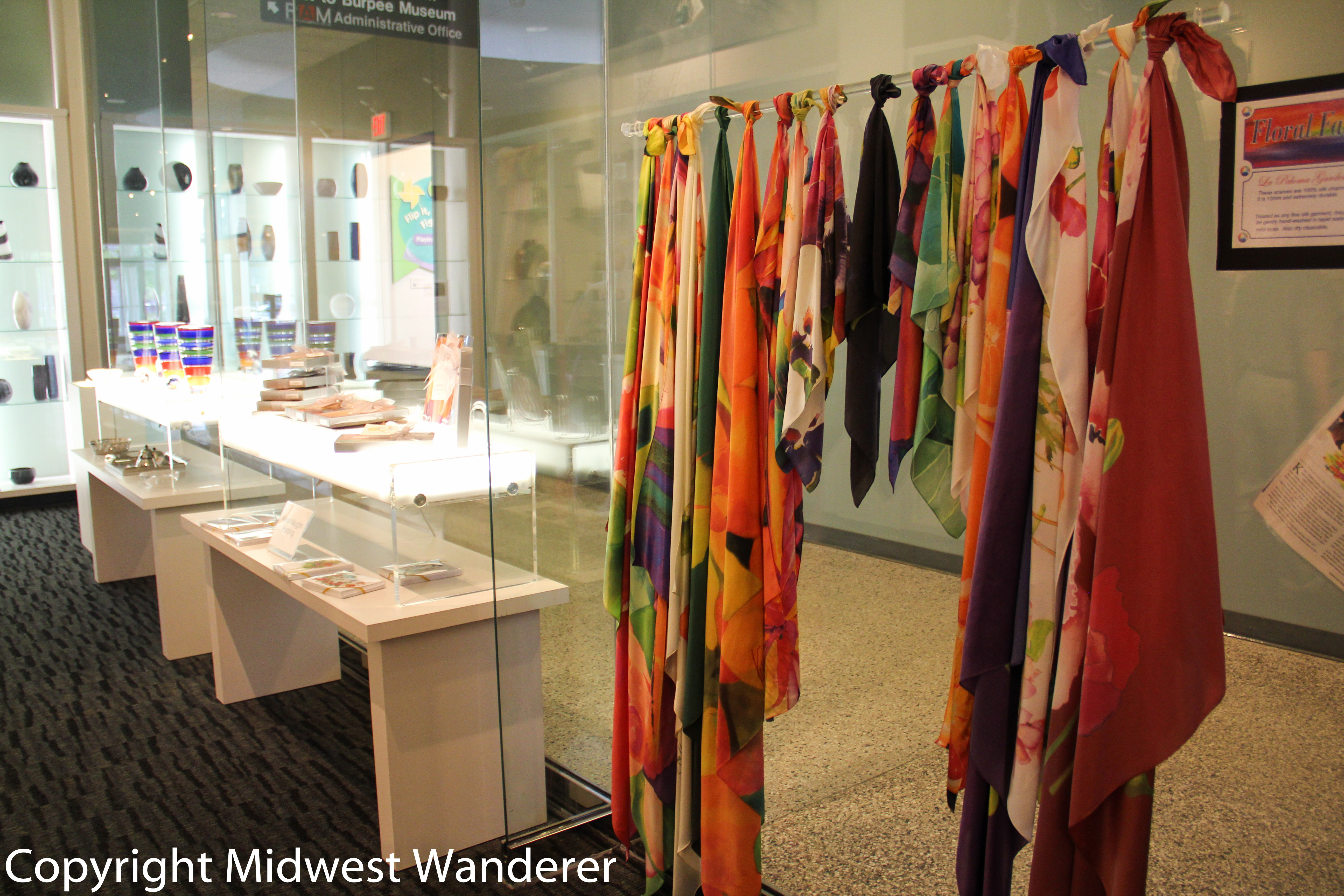
The main floor also is where you’ll find the museum store, a great places to purchase unique gift items.

Rockford Art Museum-9680The Rockford Art Museum, located in the Riverfront Museum Park at 711 N Main Street in downtown Rockford, Illinois, is open daily from 10 to 5. Check the web site for directions and admission rates.

The museum campus, a Rockford Park District property, is also home to the Discovery Center Museum, Rockford Dance Company, Rockford Symphony Orchestra and Northern Public Radio. I’m no art critic, but I thought this staircase in the entryway of the museum campus was a work of art itself.

Rockford Art Museum-9676Disclosure: Our visit to the Rockford Art Museum was hosted by the Rockford Area Convention and Visitors Bureau and the Rockford Art Museum. However, opinions expressed in this post are my own.

Thank you for reading Midwest Wanderer. Don’t miss a post. Enter your e-mail address below and click Subscribe to be notified whenever I publish another post. Subscription is FREE. After subscribing, be sure to click the link when you get the e-mail asking you to confirm.   – Connie


Isle a la Cache Museum: Discover the Fur Trade on the Island of the Hiding Place
Isle a la Cache Museum: Discover the Fur Trade on the Island of the Hiding Place
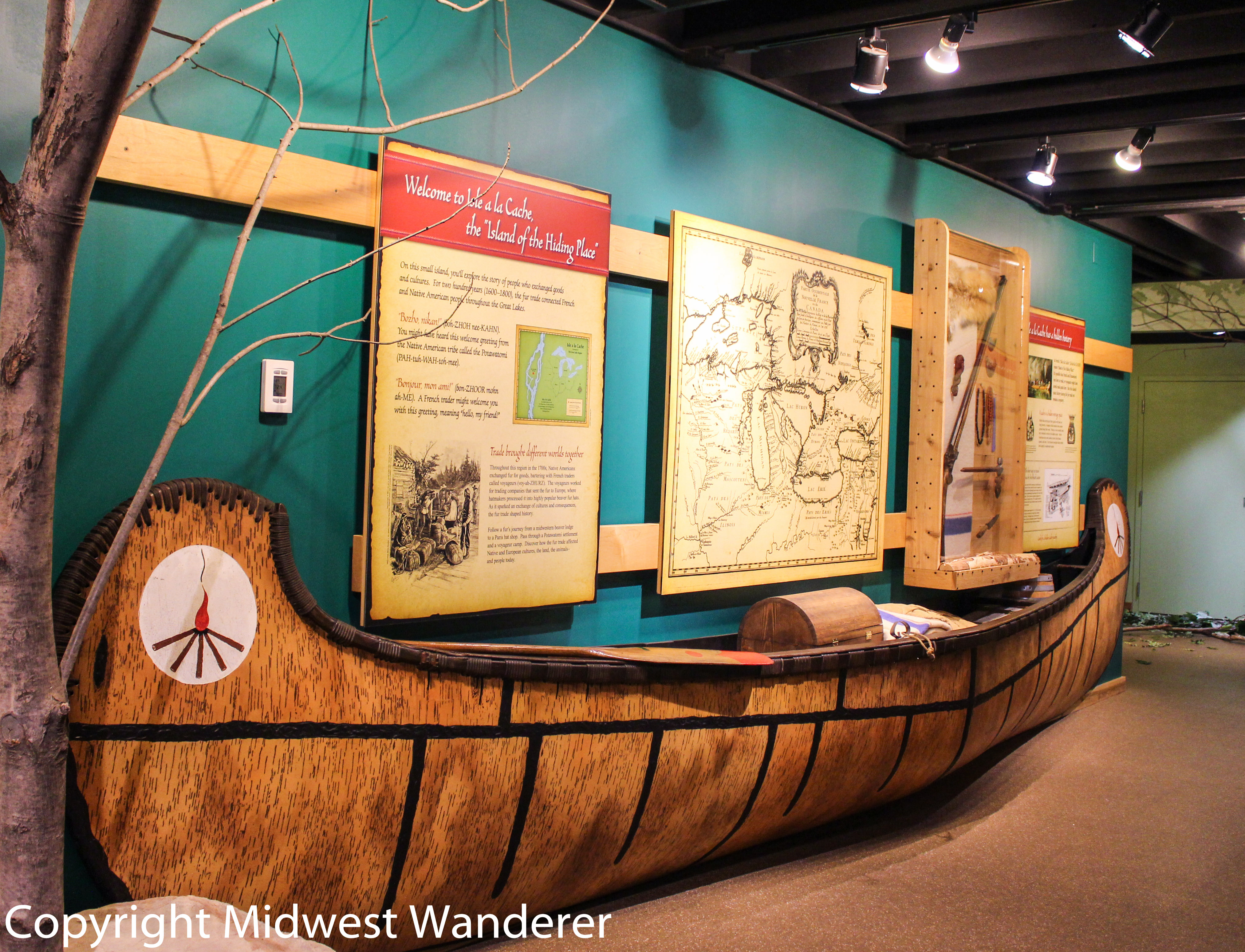
Isle a la Cache-3919“Island of the hiding place” is the literal translation of Isle a la Cache, a tiny island in the DesPlaines River in Chicago’s suburban Romeoville. The fur trade was a huge industry in the 1600s and 1700s, and Illinois’ abundant interconnected web of waterways made the area a focal point for trade. Isle a la Cache was a middle ground for trading. It was here that voyageurs often camped, stored goods and traded with the native Potawatomi. A rendezvous took place annually at Isle a la Cache, a big event in which traders met with Native Americans for trading.

The museum begins with the voyageurs, whose trips would often last about eight months. They plied the waterways from Canada down into Illinois in canoes. They carried all the provisions they’d need for the entire trip, plus items for trade. Their loads could weigh a few thousand pounds. They’d often bury some of their provisions in caches and come back for them to be used on the return trip.

Isle a la Cache-3921Voyageurs brought with them steel tools, firearms and other items Native Americans didn’t have the means to produce themselves. They traded for some food but mostly for fur, specifically beaver pelts. The beaver population was abundant in the 1600s to 1700s, and their water repellant fur was ideal for hats. The Potawatami could predict when the beavers would be in their lodges, so they were easy to trap. The voyageurs sent the pelts to Europe where milliners transformed them into hats. By the early 1800s the beaver population had declined to near extinction.

Don’t miss a Midwest Wanderer post.  For a FREE subscription, enter your e-mail address in the Subscribe2 box to the left and click Subscribe

The museum segues to the life of the Potawatami. A Potawatami wigwam is on display, as well as tools, clothing and other day-to-day items.

Isle a la Cache-3928Often French traders would marry Potawatami women, giving them easier access to trade items. Their children were referred to as Metis. Although Metis had insight to both cultures, neither culture fully accepted them.

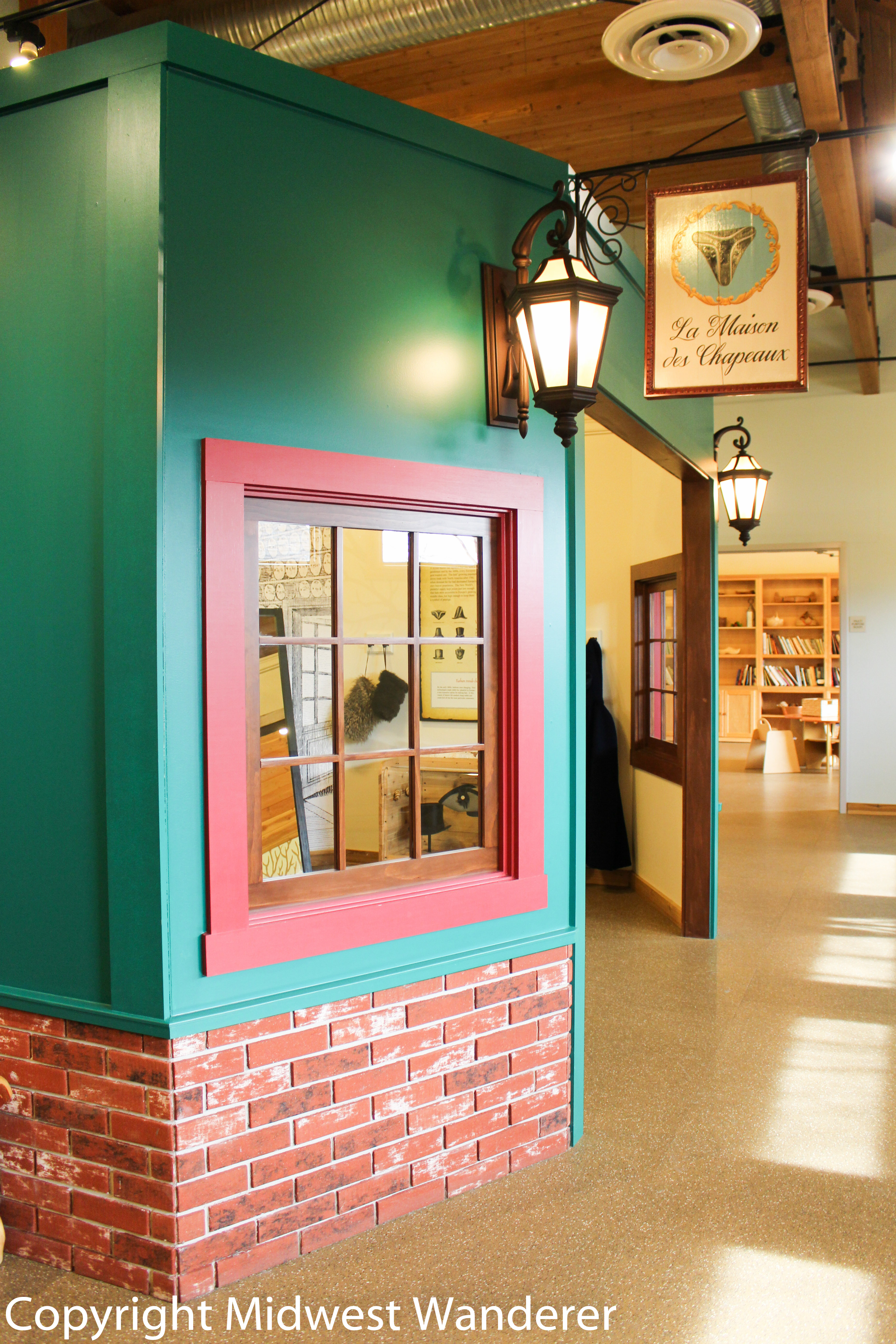
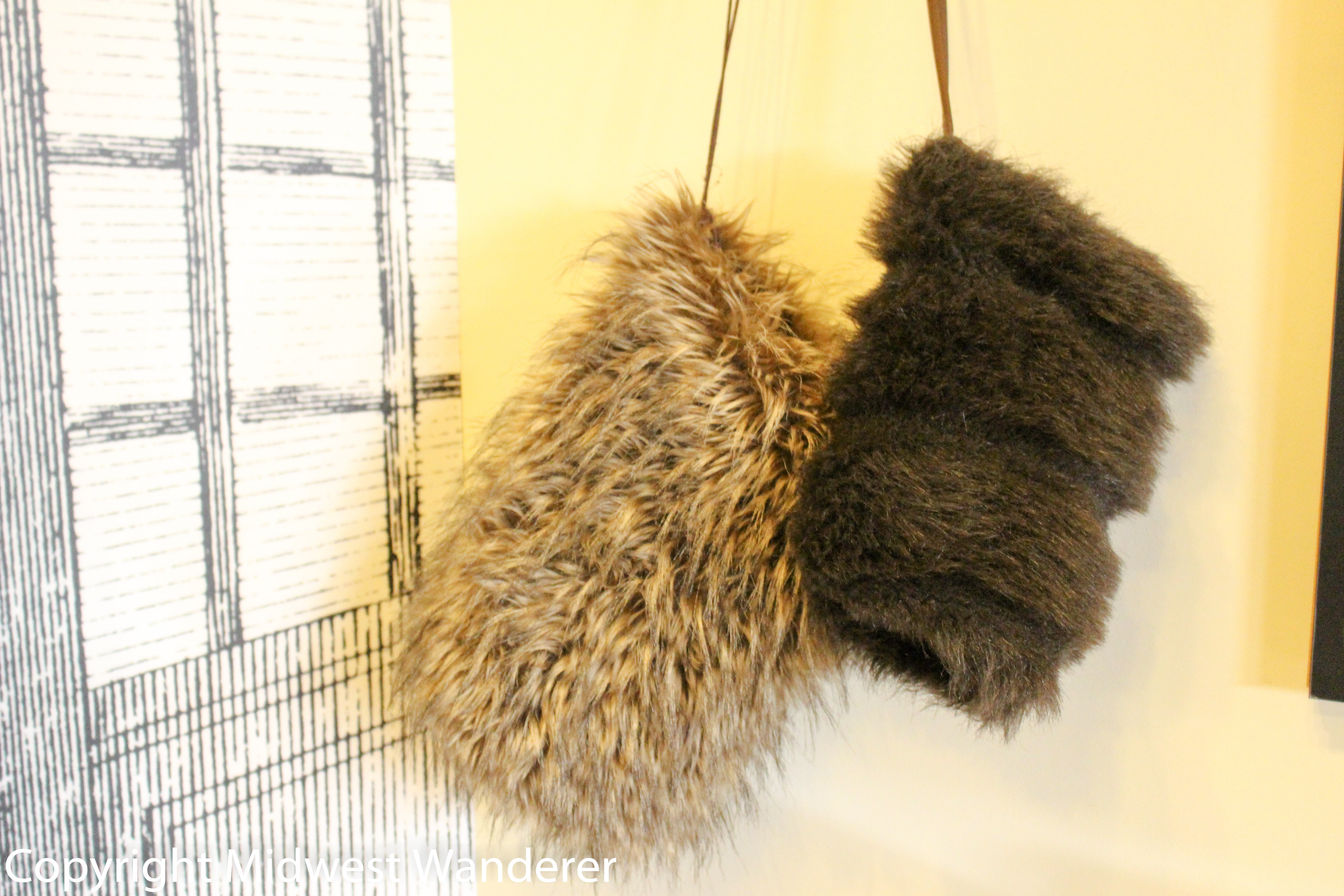
The museum exhibits ends with a recreated French hat shop with samples of hats and muffs that may have been made of beaver fur. You can learn more about the area’s past in the museum’s library.

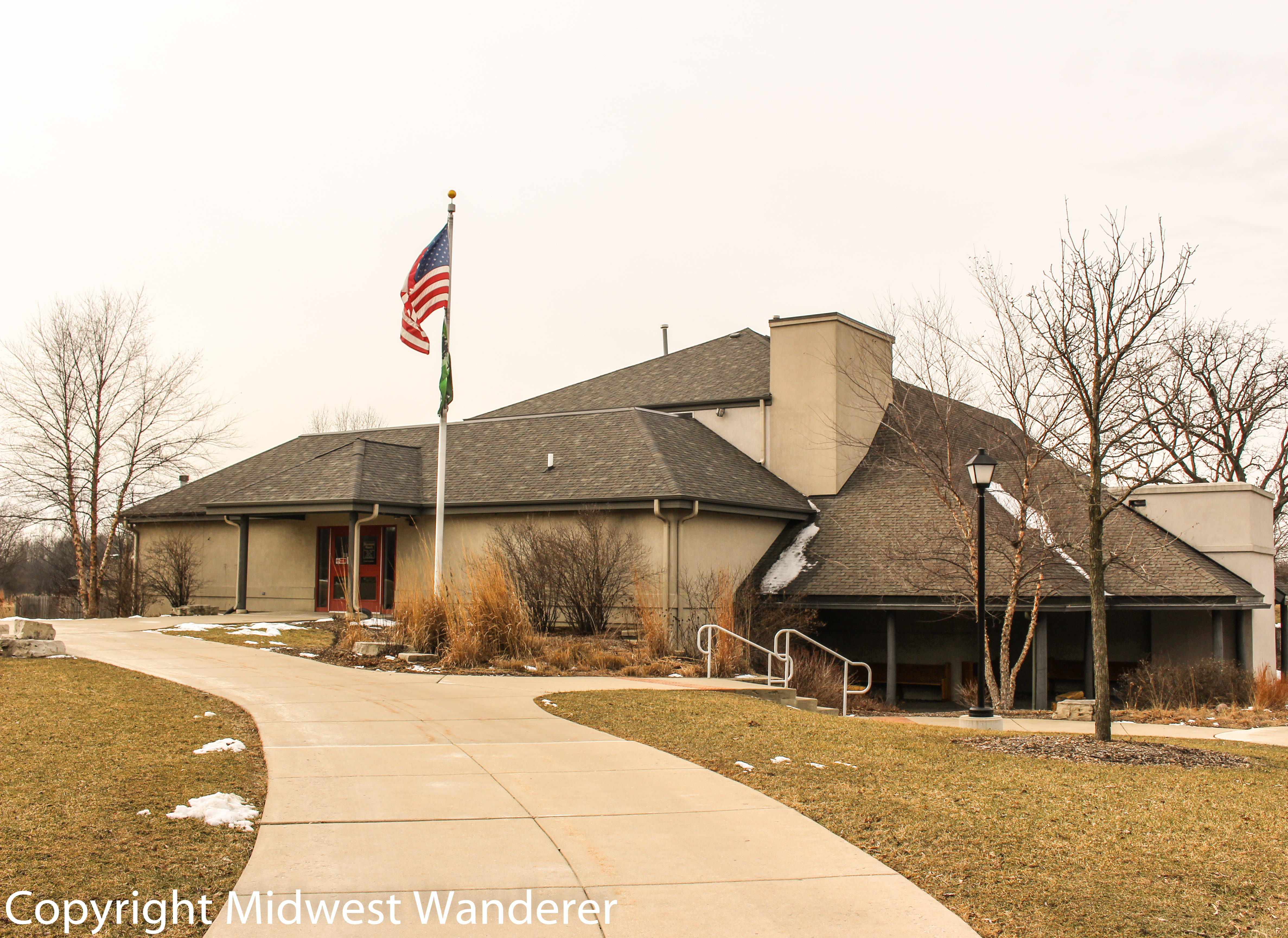
Isle a la Cache-3931Isle a la Cache-3932The Isle a la Cache Museum is located at 501 E Romeo Road (135th Street) in Romeoville, just east of Route 53 (the Historic Route 66). The museum is open Tuesday through Sunday. Check the web site for hours.

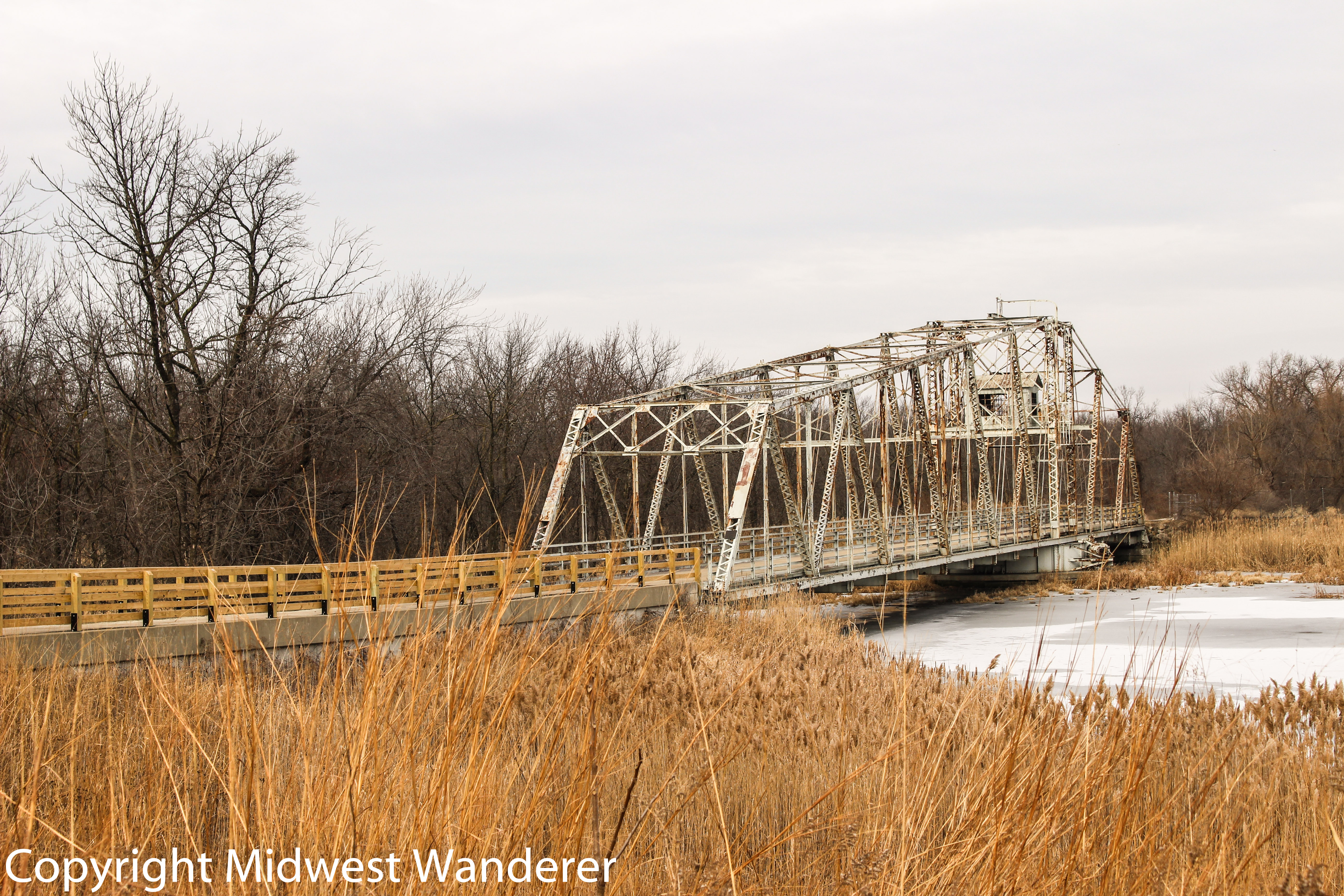
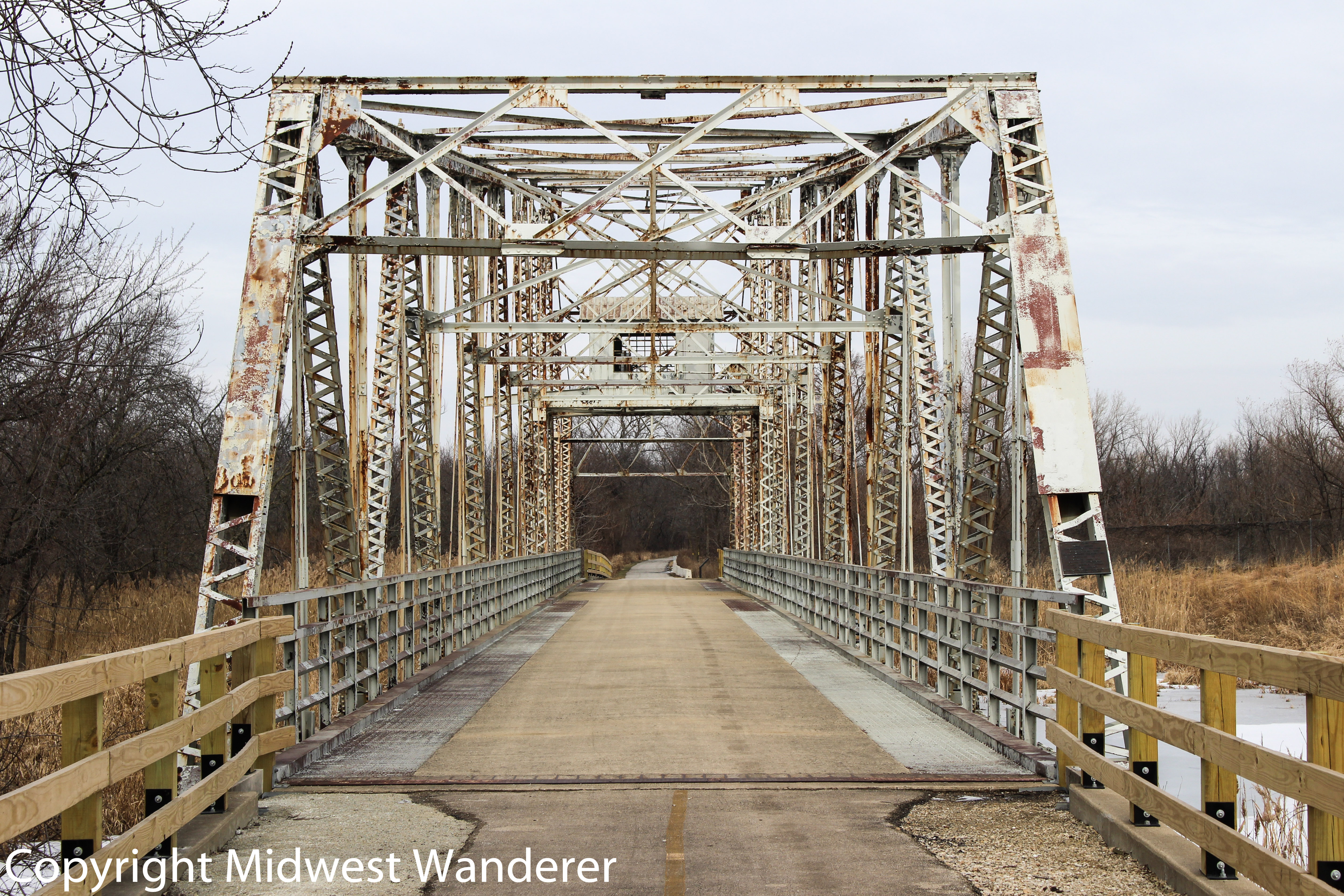
While you’re there, drive an eight of a mile farther east to the Centennial Trail. On the north side of 135th Street, check out the old swing bridge, built in 1899. The bridge spanned the I&M Canal until 1996 when a stationary bridge replaced the swing bridge, and the swing bridge was relocated to the trail.

Isle a la Cache-3937Isle a la Cache-3944Thank you for reading Midwest Wanderer. Don’t miss a post. Enter your e-mail address below and click Subscribe to be notified whenever I publish another post. Subscription is FREE. After subscribing, be sure to click the link when you get the e-mail asking you to confirm.   – Connie


Other articles you may enjoy:

White Fence Farm, Romeoville IL: Popular Chicken Restaurant on Route 66

Hiking Starved Rock State Park in the Winter

Dell Rhea’s Chicken Basket: A Route 66 Icon